
 By Callum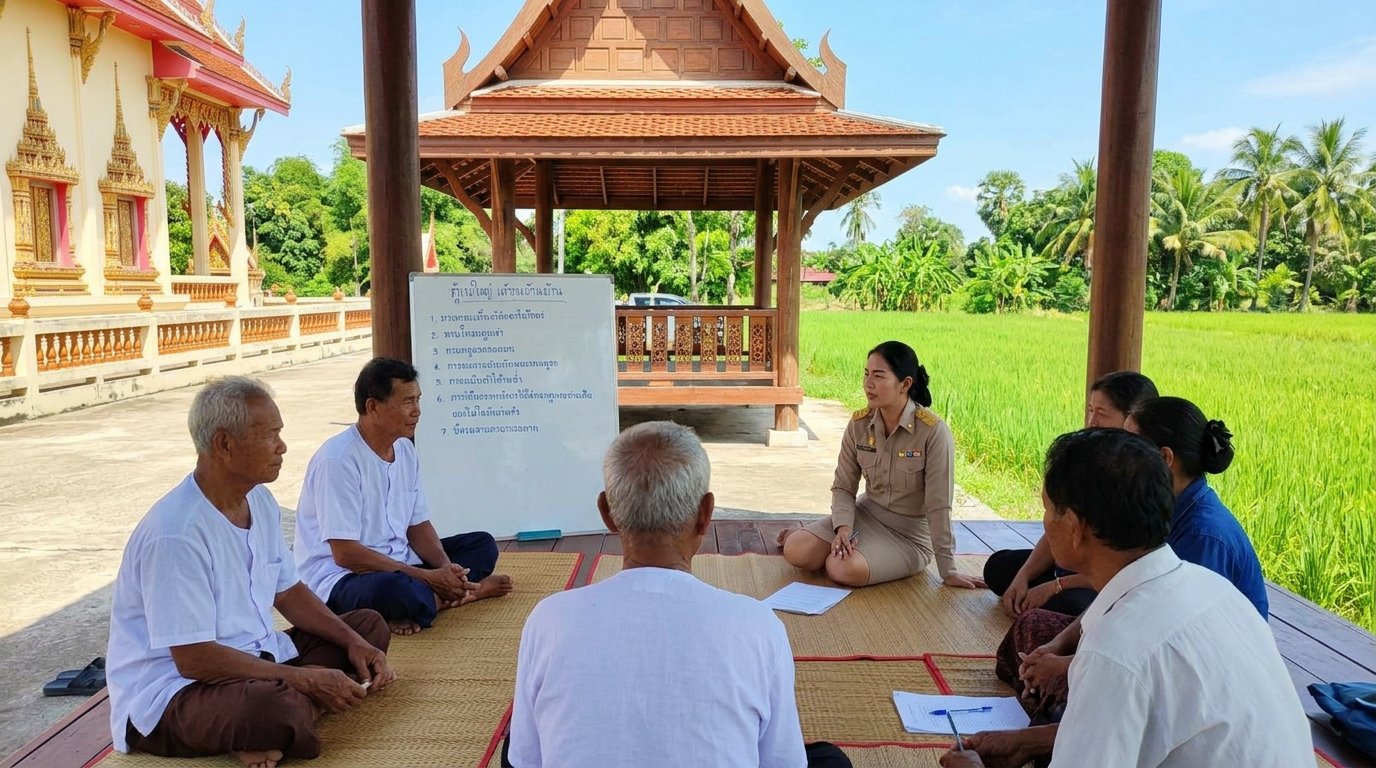
Tumbons are grassroots administrative units in Thailand that serve as centers of local governance, cultural identity, and community development. They empower residents through participatory decision-making while supporting economic growth, sustainability, and cultural preservation.
As we delve deeper into what makes Tumbons so unique, we’ll uncover how they function as governance structures that empower residents. Through exploration of their impact on communities and culture, we’ll see how these small areas hold significant potential for development. Join us on this journey through Thailand’s Tumbons to discover a world where tradition meets progress and local pride flourishes hand-in-hand with sustainable growth!
Understanding Tumbons in Thailand
Tumbons are often described as the backbone of local governance in Thailand. These administrative units can be found throughout the country, serving as a bridge between community needs and national policies. Each Tumbon is made up of several villages, creating a rich tapestry of culture and tradition.
Historically, Tumbons emerged to facilitate more localized governance. They allow for decentralized decision-making, which empowers residents to have a voice in matters that directly affect their lives. This structure enables communities to address unique challenges while preserving their cultural heritage.
Each Tumbon operates under elected representatives who oversee various aspects such as budgeting and resource allocation. Local councils work closely with community members to identify priorities ranging from infrastructure improvements to educational initiatives. The elected officials serve not just as leaders but also as advocates for their constituents.
Tumbons boast diverse populations that contribute significantly to Thailand’s social fabric. People from different backgrounds coexist within these units, fostering an environment rich in traditions and practices. Festivals celebrating local customs take place regularly, strengthening bonds among residents and instilling pride in shared heritage.
In addition to cultural diversity, Tumbons play essential roles in economic development through agriculture and small businesses. Farmers cultivate crops tailored for both local consumption and export markets. Artisans create traditional handicrafts that reflect regional identities while drawing tourists eager for authentic experiences.
The concept of community participation is at the heart of each Tumbon’s operations. Residents actively engage in planning activities aimed at improving their neighborhoods or supporting new projects like eco-tourism initiatives or cooperatives focused on sustainable practices.
Understanding Tumbons means appreciating how they function beyond mere administrative boundaries; they represent living communities where collaboration thrives and traditions flourish within everyday life.
Exploring the Governance Structure of Tumbons
Tumbons, the smallest administrative units in Thailand, play a vital role in local governance. Each tumbon consists of several villages and serves as a bridge between the government and its citizens. Understanding this structure is essential to grasp how communities function at the grassroots level.
At the helm of each tumbon is a headman known as “Phu Yai Ban.” This individual acts as both a leader and facilitator. Elected by their peers, they are responsible for representing residents’ interests to higher authorities while also enforcing community rules.
The governing body within each tumbon comprises elected members from different village councils. These representatives collaborate with various stakeholders to address local issues effectively. Their collective decisions impact everything from infrastructure projects to social welfare programs.
Local elections occur every four years, giving community members an opportunity to voice their preferences for leadership roles within their tumbons. This democratic process fosters engagement among residents and encourages them to participate actively in governance matters.
Budgeting is another critical aspect of tumbon governance. Local leaders decide how funds are allocated for development initiatives or public services like education and health care based on community needs assessments. Transparency remains crucial here since public trust hinges on how funds are managed.
Collaboration with regional authorities enhances the effectiveness of local governance in tumblons quite significantly. They work together on comprehensive plans that align smaller-scale aspirations with broader provincial objectives, ensuring no one gets left behind during development efforts.
Community involvement extends beyond just voting; it often includes participatory planning sessions where villagers can share ideas directly with decision-makers. Such interactions strengthen ties between leaders and constituents while empowering individuals through active participation in shaping their own futures.
Impact of It on Local Communities
Tumbons play a pivotal role in shaping local communities across Thailand. These small administrative units serve as the heartbeat of rural life, fostering connections among residents and enhancing their collective identity.
At the grassroots level, tumbons are where people gather for community meetings and events. This social engagement encourages collaboration and unity among inhabitants. When individuals come together to discuss issues or celebrate festivals, they strengthen their bonds and create a sense of belonging.
Economically, tumbons contribute significantly to local livelihoods. Many rely on agricultural activities within these areas. The shared resources—such as irrigation systems or cooperative markets—help sustain families while boosting economic growth. Residents often support one another by purchasing locally produced goods, which keeps money circulating within the community.
Education is another critical area impacted by tumbons. Local governance structures prioritize schools that cater specifically to the needs of children in each tumbon. As a result, educational programs can be tailored to reflect cultural values while addressing regional challenges faced by students and teachers alike.
Health care also benefits from the structure provided by tumbon governance. Local clinics operate under policies that allow them to respond effectively to health crises unique to specific regions—whether it’s seasonal diseases or nutritional deficiencies prevalent in certain populations.
Furthermore, environmental sustainability initiatives often originate at the tumbon level. Community members collaborate on projects aimed at preserving natural resources or managing waste effectively. By taking charge of such initiatives themselves, locals foster stewardship over their environment for generations ahead.
The cultural fabric of Thai society is intricately woven into these localities too; traditional practices thrive thanks to strong community ties found within each tumbon’s boundaries. Whether through festivals celebrating harvests or rituals honoring ancestors, cultural heritage remains alive partly because citizens actively participate in preserving it collectively.
Tumbons as Cultural Hubs in Thailand
Tumbons in Thailand serve as vibrant cultural hubs that reflect the rich tapestry of local traditions and customs. Each tumbon, or village, offers unique insights into the way communities preserve their heritage while adapting to modern influences.
Local festivals are a cornerstone of tumbon life. These events showcase traditional music, dance, and cuisine, allowing residents to celebrate their culture together. Visitors often flock to these festivities, eager to experience authentic Thai culture firsthand.
Artisans play an essential role in maintaining cultural practices within tumbons. Crafts like silk weaving and pottery continue to thrive despite modernization pressures. Many artists pass down techniques through generations, ensuring that skills remain alive in younger community members.
Culinary traditions also flourish in these areas. Local markets brim with regional delicacies prepared using time-honored recipes passed down through families. Street food vendors offer a taste of home-cooked meals that connect residents with their roots.
Temples situated within each tumbon act as spiritual centers where locals gather for prayer and community events. These sacred spaces foster a sense of belonging among inhabitants while serving as venues for important rituals throughout the year.
Education about local history is emphasized through storytelling shared during family gatherings or public meetings—an oral tradition deeply embedded within Thai society’s fabric. This practice nurtures interconnectedness among villagers and strengthens communal bonds.
As globalization encroaches upon rural life in Thailand, many tumblons embrace modernity without losing sight of what makes them unique culturally. They adapt by incorporating contemporary art forms alongside traditional practices—creating spaces where innovation meets tradition seamlessly.
Enhancing Local Development
Tumbons play a vital role in enhancing local development across Thailand. These small administrative units are not just geographical divisions; they serve as the backbone for community engagement and resource management. By fostering local governance, tumbons empower residents to participate actively in decision-making processes that affect their lives.
With a focus on sustainable practices, tumbon leaders often encourage initiatives that leverage local resources. This can include supporting agricultural projects or promoting small-scale businesses unique to the area. The result is an economy rooted in its cultural identity rather than relying solely on outside investments.
Education also thrives within tumbon communities. Local schools often collaborate with families to create programs tailored to their specific needs. Such partnerships foster a strong sense of ownership among residents regarding educational outcomes, leading to improved performance and greater community involvement.
Infrastructure development is another key aspect where tumbons shine brightly. Local governments prioritize infrastructure projects based on direct feedback from residents, ensuring that funds are allocated efficiently and effectively. Whether it’s improving roads or expanding public health services, people feel more connected when they see tangible improvements arising from their input.
Health care access improves significantly through local initiatives led by tumbon councils too. Community health workers often emerge from these grassroots organizations—individuals familiar with the specific challenges locals face—which leads to more effective outreach and support systems tailored for diverse populations.
Furthermore, environmental sustainability plays a critical role in developing localized strategies within tumbons. Residents work together on conservation efforts suited for their distinct ecologies while addressing issues like waste management and natural resource preservation simultaneously.
As each tumbon evolves into its own entity guided by collective interests, it becomes clear how significant these units are for advancing social cohesion alongside economic vitality within Thai communities.
Tourism and Tumbons: A Symbiotic Relationship
Tourism and Tumbons have a unique, interconnected relationship that shapes the fabric of local communities in Thailand. As travelers seek authentic experiences, they increasingly find themselves drawn to Tumbons—the small administrative units that represent the heart of Thai culture and governance.
These vibrant locales offer more than just picturesque landscapes; they provide an immersive glimpse into everyday life for locals. Visitors can engage with traditional crafts, partake in local festivals, and savor regional cuisines, creating lasting memories while supporting the community economically. This influx of tourists often leads to improved infrastructure and services within Tumbons, which enhances both visitor experience and resident quality of life.
Moreover, tourism encourages cultural preservation within these areas. Many Tumbons take pride in showcasing their heritage through art forms like traditional dance or handicrafts. The attention from tourists helps sustain these practices that might otherwise dwindle over time due to modernization pressures.
However, it’s important for tourism development in Tumbons to be sustainable. Responsible travel ensures that the benefits are shared among all community members rather than concentrating wealth in a few hands. Local governance plays a pivotal role here by implementing policies that promote eco-friendly practices while safeguarding cultural integrity.
Through this partnership between tourism and local governance structures—rooted deeply within the framework of Tumbons—Thailand continues to thrive as a destination where visitors gain insights into its rich history while contributing positively to its future growth. Balancing economic progress with cultural authenticity remains key as we look forward to how this symbiotic relationship evolves further down the road.