
 By Callum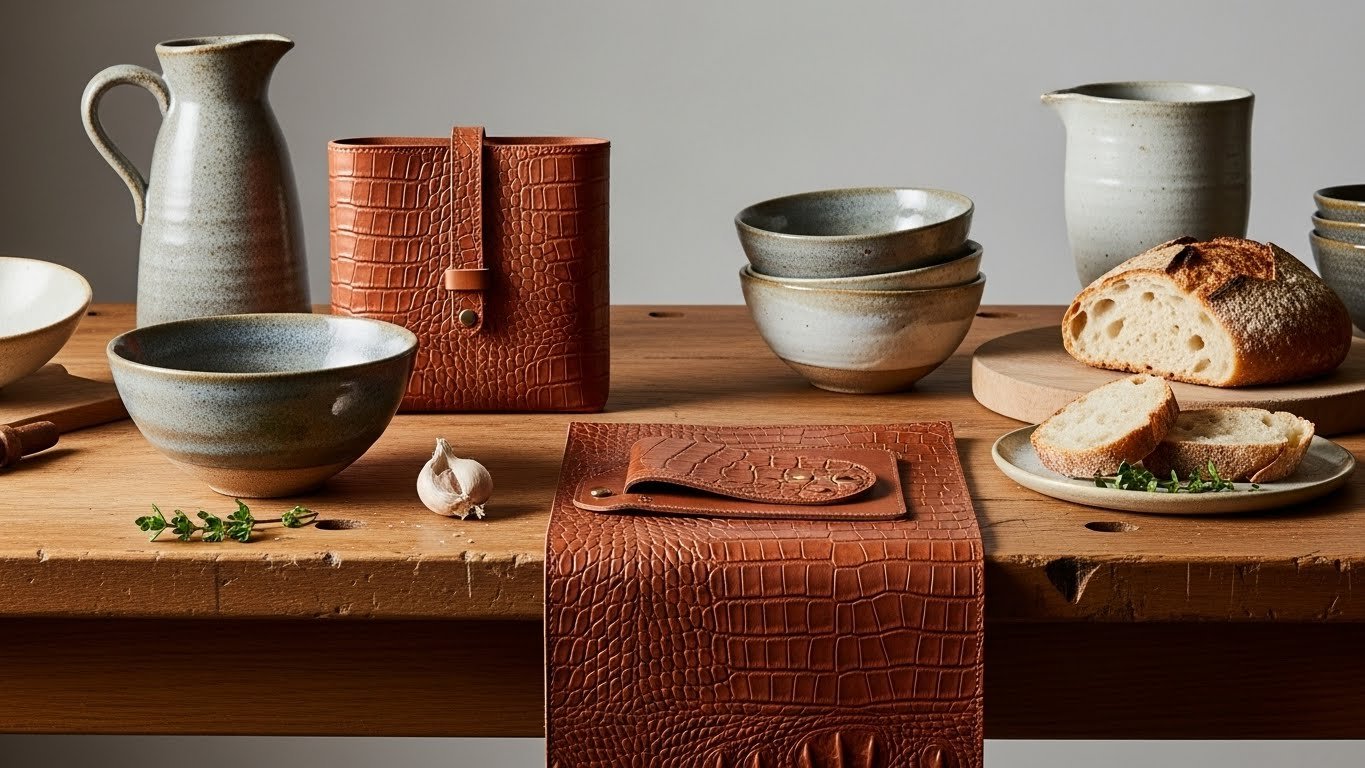
The Moment Crocolini Finds Its Place in Your Life
There are brands and ideas that arrive like fireworks — loud, dazzling, and quickly gone. Then there are movements that feel like an old friend returning: slow, steady, and quietly transformative. Crocolini belongs to the latter group. It is less a single product than a sensibility that stitches together taste, craft, and mindful living. Once it finds its way into your kitchen, wardrobe, or workbench, you notice the small differences: clearer flavors, thoughtfully made objects, and a sense of care that outlasts trends.
Crocolini invites attention to texture, origin, and ritual. It rewards patience and curiosity, and it reframes quality as an ethical choice rather than a luxury. In a world that often values speed over depth, this approach feels like relief. Crocolini is for people who want food to taste like place, fashion to hold a story, and design to offer a moment of calm in a noisy day.
Why It Resonates with Modern Tastes and Values
People are tired of the disposable. They want things that last and experiences that matter. Crocolini taps into this desire by blending tactile sensibility with a culinary and design philosophy rooted in heritage. It’s not mass minimalism; it’s textured minimalism — objects and flavors that offer quiet complexity instead of loud excess.
This movement appeals to creators, small-business owners, and mindful consumers. It emphasizes local sourcing, artisanal craft, and deliberate consumption. Crocolini isn’t prescriptive. Instead it offers a template for quality that’s adaptable: a pastry that balances crunch with tender crumb, a leather bag with subtle crocodile-embossed texture, or a tableware collection shaped by local clay and calm design principles.
The resonance of Crocolini comes from its coherence. Food, fashion, and craft are not isolated categories. When these elements share the same values — restraint, skill, and authenticity — they create a lifestyle that feels both accessible and refined.
You Might Also Like: Masago
The Origins and Etymology Behind the Crocolini Idea
The name Crocolini carries an Italianate warmth with a playful edge. “Croco” evokes texture and primal elegance; “-lini” softens it, giving the concept an approachable, almost whimsical finish. The term can reference culinary textures, embossed skins in fashion, or a general design language that celebrates tactile nuance.
Historically, Mediterranean craft traditions and rustic cooking techniques inform the Crocolini aesthetic. It borrows from regional practices: slow-simmered stocks, hand-stitched leatherwork, and locally fired pottery. Yet it is modern in sensibility — it rejects nostalgia for nostalgia’s sake. Crocolini modernizes heritage by applying it thoughtfully, respecting origins while allowing for innovation.
This linguistic and cultural blend gives Crocolini flexibility. A small confectioner and a studio shoemaker might both call their work Crocolini, and the link between them would be clear: a commitment to texture, balance, and honest process.
Crocolini in the Kitchen: A Flavor Philosophy That Centers Texture
Food labeled Crocolini prioritizes texture as much as taste. Plates are planned like small symphonies, where contrast matters: crisp meets soft, salty meets a hint of sweet, and light acidity ties a dish together. This focus on tactile storytelling elevates ordinary ingredients.
Chefs who embrace this approach treat ingredients as collaborators. A single vegetable becomes a layered experience when roasted until edges caramelize while the interior remains tender. Breads are baked to hold structure but offer yielding crumb. Sauces play a supporting role, enhancing rather than masking flavor.
For home cooks, Crocolini means being present in the kitchen. It encourages simple, high-quality ingredients and techniques that highlight natural character. A Crocolini meal doesn’t require complexity; it requires care. Salt, time, and heat can reveal depths in everyday produce when executed with attention.
Signature Recipes and Techniques That Embody Crocolini
To translate Crocolini into practice, think small rituals that produce big rewards. Try shallow-roasting baby vegetables so their skins crisp while interiors remain sweet. Finish them with a splash of good vinegar and a scatter of herbs. For pastry, prefer laminated doughs where layers separate just enough to create both crunch and cloud. In sweets, texture can be the main attraction: a chocolate square with a thin, crackling shell and a soft, fragrant ganache inside.
Technique matters: mastering heat control, learning to carry a pan properly, and understanding hydration in doughs are simple investments with outsized returns. Crocolini cooks opt for tools that facilitate rather than complicate — sturdy pans, well-sharpened knives, and an oven they know intimately.
Crocolini as a Design and Fashion Language
Beyond food, Crocolini translates into a design aesthetic. It favors tactile materials, imperfect finishes, and handcrafted details that reward close looking. In fashion, that might mean subtly crocodile-embossed leather in neutral tones, visible stitching that celebrates method, or small-walk collections defined by texture rather than flashy logos.
Designers working in this vein prioritize longevity. Pieces are made to be repaired, passed on, and worn into character. Materials matter: vegetable-tanned leather, handwoven linens, and low-impact dyes sit at the core of Crocolini’s wardrobe philosophy. Colors are quiet and seasonless: ochres, deep greens, muted browns, and soft creams.
This aesthetic finds a natural home in slow-fashion circles. It invites wearers to appreciate how garments evolve, encouraging a relationship built on patience and respect instead of rapid replacement.
Materials, Texture, and the Crocolini Approach to Production
True Crocolini design starts with material selection. Craftspeople choose hides, fibers, and clays that tell a story. For leather goods, attention goes to grain, finish, and the tanning process. For ceramics, the tactile quality of a rim and the way glaze forms matter as much as visual color.
Production is often local and small-batch. This model supports traceability and reduces waste. Makers value transparency: where raw materials come from, how they were processed, and who handled them. Such knowledge strengthens the emotional value of objects, making ownership feel like stewardship.
Tools and technique adapt to the material, not the other way around. Crocolini makers use both hand skills and measured machinery, but always in service of texture and integrity.
Crocolini in Branding and Storytelling: Quiet Luxury Reimagined
Marketing Crocolini is about depth, not volume. Brands that embody this idea craft narratives around process and people. Product photography favors natural light and close detail shots over staged glamour. Language in packaging is restrained, focusing on provenance, care instructions, and the maker’s voice.
Community matters. Crocolini brands often cultivate small, engaged followings who appreciate craftsmanship. These audiences favor sustained conversation over transactional campaigns. In practice, this means newsletters that teach, events that gather local makers, and partnerships that reflect shared values.
Small businesses adopting this approach often find higher lifetime value from customers who become advocates. The secret is simple: authenticity builds loyalty.
Building a Crocolini Business: Practical Steps for Makers and Founders
If you plan to launch a Crocolini-inspired product, start with clarity. Define the sensory experience you want to create. Will your work emphasize crunch and contrast in food or hand-stitched edges in leather? From there, map your supply chain with intention. Choose suppliers who align with your ethics and quality standards.
Design for repair and longevity. Offer clear care instructions and resources for repair. Small touches — a spare button, a repair tutorial — increase perceived value and reduce waste. Price thoughtfully, balancing accessible entry points with premium options for collectors.
Community engagement is essential. Host small workshops, publish behind-the-scenes content, and invite customers into the process. When people feel included, they invest emotionally and financially.
Packaging, Presentation, and the Crocolini Experience
Packaging serves as a tactile preface to the object itself. Crocolini packaging tends to be minimal but thoughtful: recycled papers, cloth ribbons, and hand-stamped labels. Unboxing should be calm and tactile, not theatrical.
For edible goods, packaging must also protect texture and flavor. Baked items might be wrapped in breathable paper that preserves crust while avoiding condensation. For non-food goods, retainability matters — packaging that can be reused reflects the brand’s values.
Presentation extends beyond the box. Consider how products sit on a shelf, how they photograph, and the rituals you recommend for use. A Crocolini product invites ritual, whether that’s a simple making ceremony or a slow meal shared with friends.
How to Live a Crocolini-Inspired Life: Rituals and Practices
Crocolini is as much about daily practice as it is about objects. Simple rituals shift one’s relationship with material and food. Start by slowing the grocery run: choose produce with texture and season in mind. Cook a single grain properly, honoring time and water. Pause before buying: ask whether this piece is something you will keep.
Develop small maintenance routines for possessions. Leather requires conditioning, textiles need mending, and ceramics might need gentle washing. These practices deepen attachment and reduce disposability.
Invite slow rituals into gatherings: a loaf shared around the table, a quiet unwrapping of a new object, or a studio visit with a maker. These moments cultivate gratitude and presence.
Sourcing Responsibly: Sustainability at the Heart of Crocolini
Ethical sourcing is central to Crocolini’s purpose. Whether selecting heirloom grains, vegetable-tanned leather, or sustainably harvested fish, the goal is to ensure low-impact production and fair labor. This often means paying more, but paying more reflects true cost and supports healthier supply chains.
Transparency builds trust. Share origin stories clearly, explain trade-offs honestly, and avoid greenwashing. Crocolini brands show production steps and provide proof of practices. This fosters consumer confidence and creates pressure for better industry standards.
Small-scale production also reduces waste. Makers can limit overproduction, respond to demand more carefully, and repair rather than replace.
Crocolini Communities: Makers, Chefs, and Curious Consumers
A movement is only as strong as its community. Crocolini thrives where chefs, designers, and curious consumers meet. Workshops, farmers’ markets, and small pop-ups become hubs where knowledge passes naturally. Collaboration among artisans — leatherworkers partnering with ceramicists, bakers collaborating with foragers — enriches the ecosystem.
These communities function on mutual respect. Mentorship replaces competition, and teaching becomes a way to sustain craft. Over time, these networks preserve skills and create economic resilience for makers.
Common Misconceptions About Crocolini and How to Avoid Them
Some confuse Crocolini with minimalism or outright luxury. It is neither. Crocolini is textured minimalism — minimal but rich. It values quality without requiring unattainable price tags. Start small: swap a disposable item for a crafted alternative and observe how it changes your routine.
Another myth is that Crocolini is exclusively retro. The movement is future-forward, reinterpreting tradition for modern life. It adopts technology where appropriate and rejects it where it undermines craft.
Finally, Crocolini isn’t elitist. It centers accessibility through repair, upcycling, and community markets. The goal is shared dignity in making and using objects.
How It Influences Digital Culture and Online Communities
Even in the digital age, tactile aesthetics matter. Crocolini shapes online culture by promoting slow content: long-form essays, close-up photos of texture, and video that follows a process rather than speed. Social media audiences increasingly crave this content because it offers respite from rapid consumption.
Digital platforms also enable makers to connect globally. A shoemaker in Milan can teach a repair class to a small community in Tokyo. These exchanges grow a distributed knowledge base that strengthens craft traditions.
You Might Also Like: Masgonzola
The Future of Crocolini: Trends, Opportunities, and Evolution
Crocolini will likely expand across sectors. Expect collaborations with tech that enhances traceability, like simple provenance tags embedded in a product’s story. Expect larger brands to adopt crocolini principles selectively, but the movement will retain its core among independent makers.
New opportunities lie in education. Short courses on texture-driven cooking, repair cafes for garments, and mentorship networks can nourish the next generation of practitioners.
Ultimately, Crocolini’s future rests on whether makers and consumers continue to value care over convenience, depth over flash, and relationship over accumulation.
Practical Tips to Start Embracing Crocolini Today
Begin with one deliberate choice. Swap a fast-fashion accessory for a well-made staple. Slow your next meal: focus on texture, salt early, and finish with a simple bright element. Visit a local maker’s fair and ask about process. Learn a basic repair technique. These small acts recalibrate taste and appreciation, and they compound into meaningful change.
If you create, prioritize material research. Test small batches, listen to feedback, and refine your practice. Crocolini favors iteration grounded in humility and craft.
Why It Is a Movement Worth Bookmarking
Crocolini offers a pragmatic antidote to fatigue. It gives tools for living well in small, repeatable ways. Whether you care about food, fashion, or objects, the Crocolini approach centers quality and responsibility. It encourages curiosity without judgment and invites slow transformation rather than dramatic reinvention.
Embracing Crocolini means choosing products with stories, practicing rituals that preserve joy, and valuing the human touch in an automated age. It’s less about an aesthetic trend and more about a way of life that honors making, sharing, and keeping.
Carry one Crocolini practice into this week. Notice how it changes your attention, the pleasure you take, and the life you shape. Small shifts remain the most powerful.