
 By Callum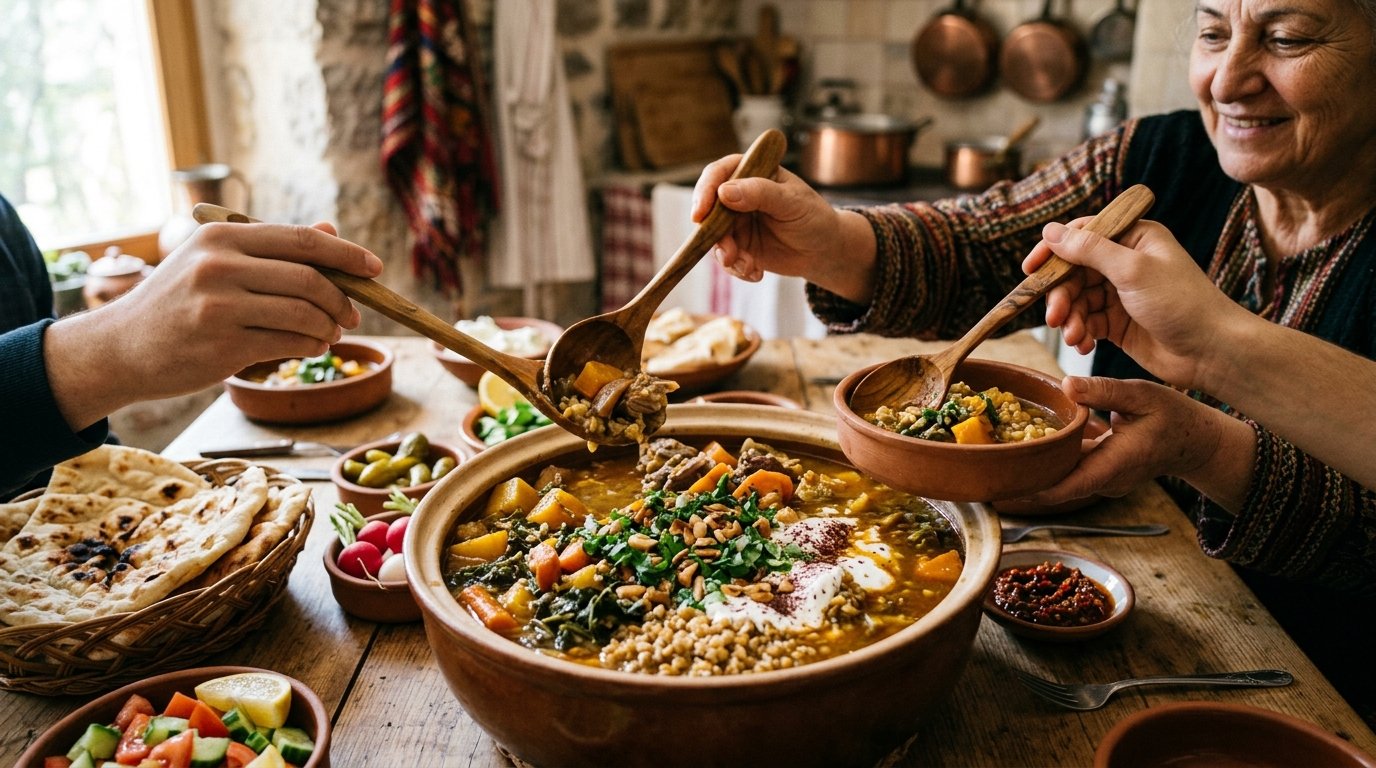
Cevurı is a traditional, flavor-rich dish rooted in cultural heritage and shared culinary practices. Made with ingredients like meat, vegetables, and aromatic spices, it reflects both regional identity and modern adaptability. From its health benefits to easy home recipes and global fusion variations, Cevurı continues to gain popularity as a versatile and meaningful dish enjoyed across cultures.
Cevurı is more than just a dish; it’s a celebration of culture, tradition, and flavor that has caught the attention of food lovers around the world. Originating from rich culinary roots, this delightful treat brings unique ingredients and preparation methods to the forefront. Whether you’re an adventurous eater or simply curious about diverse cuisines, understanding Cevurı opens up endless possibilities for your palate.
As we journey through its meaning and significance, you’ll discover how translation tools can help bridge cultural gaps in enjoying this exquisite dish. From health benefits to easy recipes you can try at home, there’s so much to explore. Join us as we delve into every aspect of Cevurı—from traditional preparations to modern interpretations—and uncover why it deserves a spot on your dining table!
Understanding Traditional Preparation and Ingredients of Cevurı
Cevurı is a dish steeped in tradition, often associated with family gatherings and festive occasions. At its core, it reflects the essence of regional flavors and culinary practices that have been passed down through generations. The preparation process is not just about cooking; it’s an art form that requires patience and skill.
The primary ingredient of Cevurı typically includes meat, usually lamb or chicken, marinated to enhance flavor. It’s seasoned with a blend of spices like cumin and paprika—each adding depth to the final taste. Fresh herbs are also essential; they provide brightness that balances the richness of the meat.
Another key component is vegetables, which vary by region but often include potatoes and bell peppers. These ingredients add texture and nutritional value while creating a colorful presentation on the plate. The combination results in a satisfying meal that’s both hearty and wholesome.
Cooking methods can differ significantly from one household to another. Some prefer slow-cooking techniques that allow flavors to meld beautifully over time, while others might opt for quicker methods such as grilling or frying for a crispy finish.
A unique aspect of Cevurı lies in how families personalize their recipes. Each cook has their secret touch—whether it’s an extra pinch of spice or a specific way to layer ingredients—that makes every version special.
Understanding these traditional preparations gives insight into why Cevurı holds such significance within various cultures where it’s enjoyed regularly at home or during celebrations.
Exploring the Global Popularity and Impact of Cevurı
Cevurı has transcended its regional roots, becoming a beloved dish across various cultures. This culinary gem originated in specific communities but now finds itself on menus around the globe. Its unique flavors resonate with food enthusiasts who appreciate authentic tastes and innovative cooking.
As chefs experiment with traditional recipes, Cevurı has gained traction in fusion cuisine. Restaurants combine it with local ingredients to create exciting variations that surprise diners. This blending of flavors reflects the evolving nature of global gastronomy.
Social media plays a significant role in Cevurı’s rise to fame. Food bloggers and influencers showcase their takes on this dish, sparking interest among followers eager to try something new. Eye-catching presentations make for shareable content that spreads rapidly online.
Street food markets have also embraced Cevurı, offering it as an accessible option for those seeking appetizing snacks on-the-go. The vibrant atmosphere enhances the experience, allowing people from diverse backgrounds to enjoy this delightful treat together.
International culinary festivals further highlight Cevurı’s growing popularity. Chefs proudly present their versions of the dish while sharing stories about its cultural significance, bridging gaps between traditions and modern dining experiences.
In many regions, Cevurı represents more than just a meal; it’s a symbol of community and heritage. As individuals gather over plates filled with this delicious creation, they connect over shared memories and cultural narratives that enrich each bite.
Health Benefits and Nutritional Value of Cevurı
Cevurı is not only a delight for the taste buds but also packs a punch when it comes to health benefits. This traditional dish often features wholesome ingredients that contribute to its nutritional value.
Typically made with legumes, grains, and vegetables, Cevurı provides a rich source of dietary fiber. Fiber is essential for digestive health and helps maintain stable blood sugar levels. It also keeps you feeling full longer, making it an excellent option for those looking to manage their weight.
Moreover, the inclusion of various spices adds another layer of health benefits. Many spices are known for their anti-inflammatory properties and antioxidants that can help boost immunity. Ingredients like turmeric or cumin can offer additional advantages beyond flavor enhancement.
Proteins found in Cevurı come primarily from legumes like lentils or chickpeas. These plant-based proteins support muscle growth while being lower in saturated fats compared to animal sources. Including protein-rich dishes in your diet strengthens overall body function.
Vitamins and minerals are prevalent as well due to the variety of vegetables used in preparation. Vegetables provide crucial nutrients such as vitamins A and C, which play vital roles in maintaining skin health and boosting immunity.
Many recipes incorporate healthy fats from oils or nuts added during cooking or garnishing phases. Healthy fats contribute positively by supporting brain function while providing energy without excess calories typically found in saturated fats.
Easy Cevurı Recipes to Try at Home
Cevurı is a delightful dish that can be easily prepared at home. With just a few ingredients, you can create something truly special. Let’s explore some easy recipes to bring this traditional flavor into your kitchen.
One simple recipe involves using pre-cooked grains as a base. Mix cooked quinoa or rice with sautéed vegetables like bell peppers and zucchini. Add spices such as cumin and paprika for depth of flavor. Top it off with fresh herbs like parsley or cilantro for an aromatic touch.
Another approach is to prepare cevurı using lentils instead of grains. Cook red lentils until they’re tender, then mash them lightly with garlic and lemon juice. This creates a creamy texture that pairs wonderfully with roasted veggies on the side.
If you’re looking for something quick, consider making Cevurı wraps! Use large lettuce leaves as the wrap base and fill them with shredded carrots, avocado slices, and hummus mixed with tahini sauce—a refreshing combination that’s both healthy and satisfying.
For those who love seafood, try adding shrimp or fish into the mix. Marinate your choice of protein in olive oil, garlic, lemon juice, and seasonings before grilling or pan-searing it to perfection. Serve over a bed of Cevurı-style salad made from chopped cucumbers and tomatoes drizzled with yogurt dressing.
Vegetarians will appreciate adding chickpeas to their dishes too! They pack in protein while mixing well in salads or grain bowls alongside freshly squeezed lime juice for zingy goodness.
Experimenting within these frameworks allows you to explore flavors while keeping things simple in preparation—perfect for any day of the week!
Traditional and Contemporary Flavors
Cevurı, with its rich history and unique flavors, has inspired chefs around the world to experiment and create fusion dishes that blend traditional elements with contemporary culinary trends. The beauty of cevurı lies in its versatility; it can adapt to various ingredients while still retaining its essence.
In modern kitchens, you might find cevurı paired with unexpected components. Think avocado or quinoa for a health-conscious twist. These additions bring new textures and nutritional benefits, making the dish appealing to a broader audience.
Another exciting direction is incorporating global spices into the mix. Adding cumin or smoked paprika can elevate the flavor profile dramatically while honoring its roots. This kind of creative exploration allows chefs to put their own spin on this classic dish.
Vegetarian and vegan adaptations are also gaining popularity within cevurı fusion cuisine. By replacing traditional meats with plant-based proteins like lentils or chickpeas, enthusiasts can cater to diverse dietary preferences without compromising taste.
Moreover, fusion cevurı often embraces international cooking techniques—grilling over an open flame or even sous-vide methods introduce innovative layers of flavor that challenge traditional norms.
Dessert versions have emerged as well! Sweet cevurı featuring fruits like mango or coconut showcases how adaptable this dish truly is. These variations not only celebrate cultural exchange but also invite diners into an evolving gastronomic experience where tradition meets innovation seamlessly.
The Significance of It in Culinary Heritage
Cevurı is more than just a dish; it represents a rich tapestry of cultural history. Its roots delve deep into the culinary traditions that have shaped regional cuisines over centuries. Each ingredient tells a story, reflecting local agricultural practices and historical influences.
Historically, Cevurı has served as a communal dish, bringing families and friends together around the table. It embodies hospitality and warmth, showcasing how food can forge bonds between people. Sharing this meal often marks special occasions or festive gatherings.
The preparation of Cevurı varies by region, with each area adding its unique twist to classic recipes. These variations highlight the creativity embedded in culinary arts while preserving age-old techniques passed down through generations. This adaptability ensures that Cevurı remains relevant in today’s fast-paced world.
As global interest in diverse cuisines grows, so does the appreciation for traditional dishes like Cevurı. Chefs worldwide are exploring its flavors and textures, introducing it to new audiences who seek authentic experiences on their plates.
Moreover, Cevurı plays a role in safeguarding culinary heritage against modern homogenization trends. By celebrating local ingredients and methods associated with this dish, communities preserve their identity amidst globalization’s challenges.
In various cultures where Cevurı is cherished, it’s not merely about sustenance; it symbolizes resilience and pride within those communities’ gastronomic narratives.
Modern Tools for Cevurı Translation and Interpretation
The world of Cevurı is rich with flavors and traditions, but understanding its nuances can be a challenge. Fortunately, modern technology has introduced tools that enhance translation and interpretation for enthusiasts worldwide.
Mobile apps have revolutionized how we approach culinary terminology. With just a few taps on your smartphone, you can access definitions, recipes, and even cultural insights related to Cevurı. These applications often feature user-friendly interfaces that make navigation simple and intuitive.
Online platforms also provide forums where food lovers share their experiences with Cevurı. These spaces allow individuals to ask questions about particular ingredients or preparation techniques while fostering a sense of community among those passionate about this dish.
Machine learning algorithms are becoming increasingly sophisticated in language translation as well. They analyze vast amounts of data from cookbooks and culinary blogs to offer contextually accurate translations relevant to the cuisine’s unique characteristics.
Additionally, social media has become an invaluable resource for real-time interpretations. Instagram posts or TikTok videos featuring Cevurı prep methods help demystify the process through visual storytelling. This allows users to grasp intricate cooking techniques without extensive reading.
Collaborative online dictionaries specifically tailored for cuisine terms are emerging as essential tools for both chefs and home cooks alike. By pooling knowledge from various cultural experts, these resources ensure authenticity remains at the forefront when discussing dishes like Cevurı.
Commonly Asked FAQs
Cevurı is a dish that has piqued the interest of many food enthusiasts around the world. As its popularity grows, so do questions about its origins, preparation, and significance. Here are some commonly asked FAQs to help clarify any uncertainties you may have.
What exactly is Cevurı?
Cevurı refers to a traditional dish rooted in specific cultural practices. It often consists of a medley of ingredients that vary by region but typically includes meats, vegetables, and spices.
How is Cevurı traditionally prepared?
The preparation of Cevurı can differ across cultures but generally involves slow-cooking or simmering the ingredients together to develop rich flavors. Each family might have their own twist on cooking methods passed down through generations.
Are there vegetarian options for Cevurı?
Yes! Many variations cater to vegetarian diets by substituting meat with legumes or hearty vegetables while maintaining essential spices for flavor.
Where did Cevurı originate from?
Its exact origin remains debated but it’s widely recognized in Middle Eastern cuisine as well as in various Mediterranean regions. Its adaptability has allowed it to thrive globally.
Can I find ready-made Cevurı at stores?
Some specialty shops may offer pre-packaged versions or meal kits containing all necessary components for making your own at home; however, nothing compares to homemade authenticity!
Is Cevurı healthy?
When made with fresh ingredients and balanced proportions, Cevurı can be quite nutritious. The inclusion of lean proteins and colorful veggies adds both vitamins and minerals beneficial for health.
How can I learn more about preparing authentic Cevurı dishes?
There are numerous online resources including blogs, YouTube channels dedicated solely to culinary traditions where you’ll find recipes along with tips from experienced cooks eager to share their knowledge!
Whether you’re new to this delightful dish or looking for ways to enhance your existing repertoire, these insights into common questions surrounding cevuri will certainly enrich your experience with it.