
 By Callum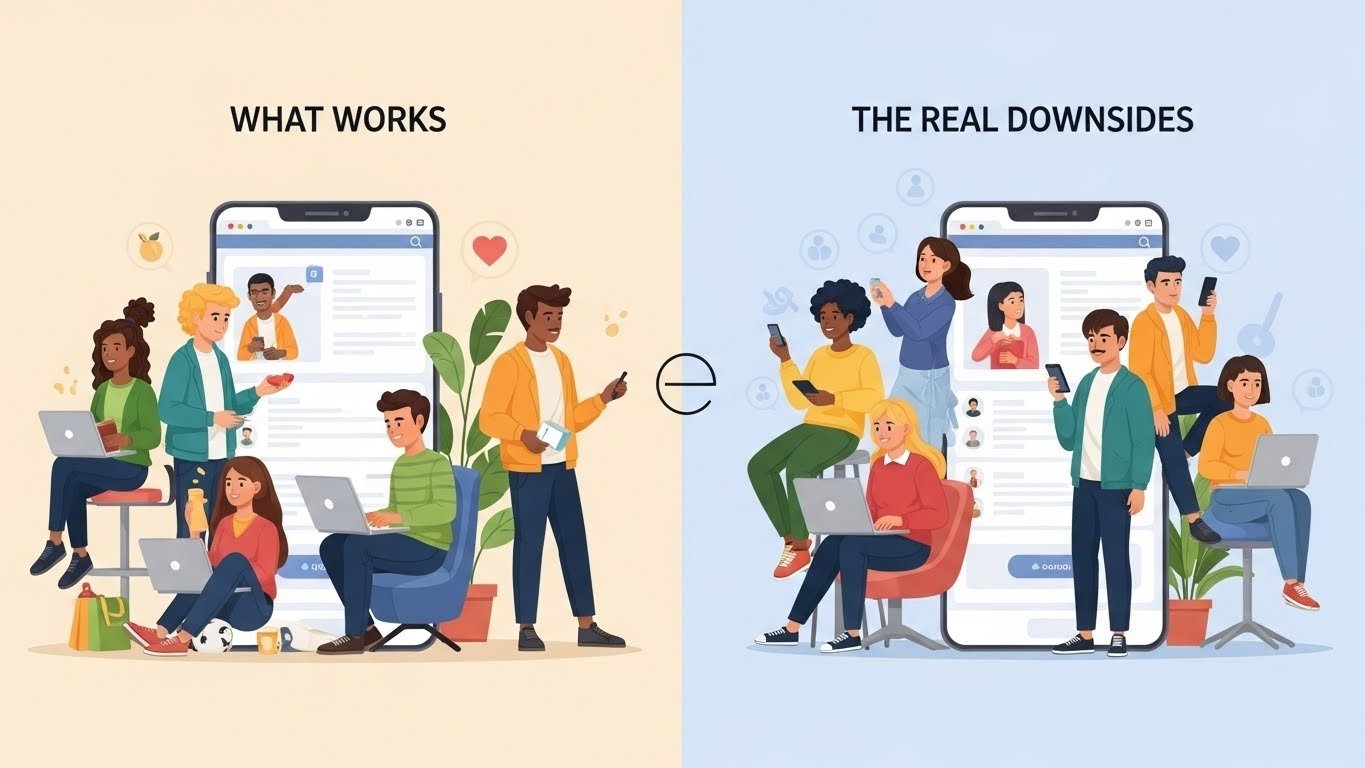
Using a safe dating website is one of the most common ways young people meet “in real life” today, even if that sounds like a contradiction. The first hello happens online, but the goal is still the same as it’s always been: find someone you genuinely like, figure out if the vibe is real, and do it without getting burned out, scammed, or pulled into something messy.
What’s different now is the pace. People can match in seconds, talk for a week, disappear overnight, and then repeat the cycle. That creates a new kind of dating skill: not just flirting, but managing attention, boundaries, safety, and expectations.
Below is a human, practical look at how young people are actually meeting on safe dating platforms right now—plus the downsides nobody brags about, and the mistakes that quietly ruin a lot of potential connections.
How young people typically meet on safe dating websites now
1) Profiles are “signals,” not life stories
Most young users don’t write long bios anymore. Instead, they use signals:
- A few clear photos (not all filtered, not all group shots)
- One or two interests that are easy to comment on
- A short line that shows vibe (“I like morning coffee and chaotic playlists”)
The goal isn’t to explain your entire personality. It’s to give someone a reason to start a conversation without saying “hey.”
Real example:
Sofia has one photo at a museum, one in normal daylight, and a short line: “If you can recommend a great ramen spot, I’m listening.”
Her matches open with ramen recommendations. Easy start, low pressure.
2) Conversation starts with something small and specific
The best openers are not clever. They’re specific and easy to answer.
Instead of: “How’s your day?”
People do: “That hiking photo—was that a weekend trip or a full adventure?”
Or: “You said you’re learning Spanish. How’s it going—fun or painful?”
It’s basically: show you paid attention, ask a question that doesn’t require an essay.
3) “Vibe checks” happen faster
Young daters have learned that texting can create a fantasy. So many now prefer a quicker vibe check:
- A short phone call
- A short video chat
- Or moving to an in-person meet sooner (public place, short time)
This isn’t rushing. It’s avoiding two weeks of messaging with someone who doesn’t feel the same offline.
Real example:
Marcus chats with Ella for two days. Instead of endless texting, he says:
“I’m enjoying talking—want to do a quick 10-minute call and see if we click?”
They do. It’s easy. They meet for coffee two days later.
4) First dates are shorter and more casual
The default first meet is not a fancy dinner anymore. It’s:
- Coffee
- A walk
- A casual drink
- A quick museum visit
- A street food spot
Short first dates are popular for one reason: easy exit. If it goes well, you extend it. If not, you leave politely without drama.
5) Friends are part of the process
A lot of young people share the profile with a friend, or at least let someone know where they’re going. It’s not paranoia—it’s normal safety culture.
The real downsides (even on a safe dating website)
Even with better verification tools and safety features, online dating still has friction. Here are the common issues young people face:
1) Choice overload
When there are endless options, it’s easy to become picky in the wrong way. People start rejecting matches over tiny things, then wonder why they feel lonely.
It can turn dating into browsing rather than connecting.
2) Burnout and emotional numbness
Messaging many people can make you feel less emotionally present. Some users notice they stop feeling excited—everything becomes “just another chat.”
That’s a sign you need a break, not a new strategy.
3) Mixed intentions
A safe platform can’t prevent someone from being unclear about what they want. Many young daters run into:
- People who say they want a relationship but behave casually
- People who want casual but act possessive
- People who want attention more than connection
4) Catfishing and scams (still a risk)
Safety tools help, but scams still exist. The common pattern is:
- Fast emotional intensity
- A dramatic story
- A request for money, gifts, tickets, or “help”
A safe platform reduces risk, but your boundaries do the real work.
5) Ghosting and low accountability
Because it’s easy to disappear online, people sometimes do. It’s not always malicious—sometimes it’s avoidance—but it still hurts.
What not to do (the mistakes young people regret later)
1) Don’t treat texting like a relationship
Messaging chemistry is not the same as real-life chemistry. If you chat for weeks without a call or a meet, you’re building a fantasy.
Better: move to a small next step once the conversation is good.
2) Don’t overshare too early
It’s tempting to be emotionally open, especially if you feel lonely. But sharing trauma, financial stress, or very personal details in the first days can attract the wrong attention and create false intimacy.
Rule of thumb: share gradually, as trust grows.
3) Don’t ignore inconsistency
If their photos don’t match their stories, or their timeline keeps changing, don’t talk yourself into it.
Confusion is usually information.
4) Don’t send money or “help,” ever
Even if the story sounds believable. Even if you feel bad. Even if they say they’ll pay you back.
If someone you’ve never met asks for money, it’s not romance—it’s a risk.
5) Don’t meet in private for the first date
No “come to my place,” no “I’ll pick you up,” no “let’s go somewhere isolated.” Public first dates are the standard for a reason.
6) Don’t do the “double texting spiral”
If someone doesn’t reply, don’t send five messages trying to recover the moment. One follow-up is fine. After that, let it go.
Confidence looks like calm.
7) Don’t try to be “cool” by being unclear
Some young daters hide interest to avoid looking eager. The result is confusion and missed connections.
Being clear is not desperate. It’s mature.
A simple safe approach that works for most people
If you want a clean, low-stress process:
- Match and exchange a few meaningful messages
- Do a quick call or video chat
- Meet in a public place for 45–90 minutes
- If it goes well, plan date #2 within a week
- If it doesn’t, close it politely and move on
Example message that’s confident and normal:
“I’m enjoying this. Want to meet for coffee this weekend? If we click, we can plan something longer next time.”