
 By Callum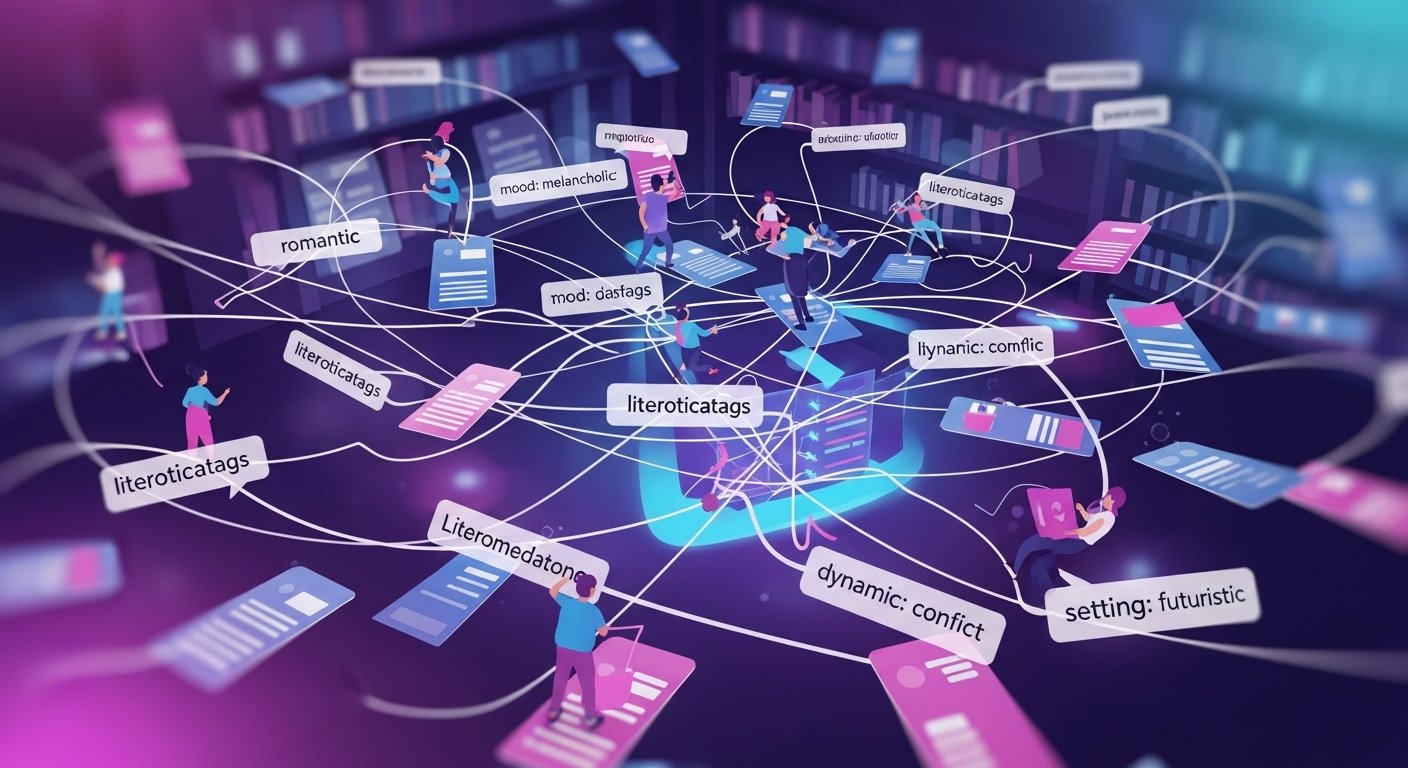
Understanding How Literoticatags Shape Way Readers Find Stories
The online world of user-generated fiction grows faster than any reader can keep up with. Every day, thousands of new stories appear, each with its own mood, voice, and tone. Faced with this overwhelming volume, readers often struggle to find what they actually want. That confusion is where literoticatags come in. Although the term may sound technical at first, it refers to something simple: keywords that help classify themes, tones, dynamics, and important elements within a story. They work as practical tools, giving readers a way to move directly toward the content they prefer, without wandering blindly through endless pages.
Writers rely on them just as much. A well-chosen set of literoticatags signals the focus of a story while respecting the reader’s desire for clear expectations. Far from spoiling a plot, good tags create anticipation and trust. Over time, regular readers learn which tags match their interests and which ones steer them toward experiences they want to skip. So both groups benefit from a system that feels intuitive and reliable. The more crowded the platform becomes, the more essential these tags grow, because no one wants to waste time scrolling without direction.
How Literoticatags Create a Clear Roadmap for Readers Seeking the Right Themes
Readers often describe their search process as a blend of excitement and frustration. They may know the tone they want, the type of relationship dynamic they prefer, or a setting that feels right, but they struggle to find it. Literoticatags turn that vague idea into a practical path. When stored in a consistent structure, these keywords lead readers across a giant library by highlighting recognizable patterns.
A theme tag might tell them a story will lean romantic or emotional. A setting tag can signal whether the story takes place in a familiar everyday world or somewhere more dramatic and unusual. Character-based tags tell readers who they should expect to meet, which helps them decide if the dynamic matches their preferences. Even when the subject matter touches on dark or taboo elements, responsible tagging ensures that everything remains clearly labeled as fiction, allowing adults to navigate content safely and transparently.
As people become more comfortable with the tagging system, they discover a personal rhythm. Some readers build their own list of favorites. Others explore new categories they never noticed before. In every case, literoticatags work as orientation tools, giving readers confidence to explore without confusion.
You Might Also Like: Pixwox
Why Writers Depend on Literoticatags to Clarify Intent and Reach the Right Audience
Creators understand that reaching the right readers can be the difference between a story that gets ignored and one that takes off. Because online platforms are crowded spaces, writers must make quick, effective decisions about how to label their work. Literoticatags reduce the uncertainty by helping creators determine which elements need to be highlighted for visibility.
A writer who chooses themes about emotional intimacy might use tags that express tenderness or growth. Someone crafting an unpredictable psychological narrative might choose tags that reflect tension, mystery, or dramatic contrast. When applied accurately, these keywords guide readers who enjoy those tones. More importantly, they help avoid mismatches in expectation. When a story is labeled correctly, readers arrive with an understanding of the experience they are about to enter.
Writers also use tags to join communities built around shared themes or styles. Many readers follow certain tags to keep up with specific genres. By appearing in those clusters, a writer automatically gains access to readers predisposed to enjoy that story. Over time, this creates loyal readerships built on trust and clarity. People return to writers whose tags consistently match their interests.
Building a Functional Tagging Structure That Supports User Discovery Across Thousands of Stories
A tagging system is not only a list of keywords. It must be structured in a way that supports user behavior. Platforms that rely on user-generated fiction often categorize tags into groups: theme tags, dynamic tags, setting tags, mood tags, and relationship tags. Each category plays a distinct role and must balance simplicity with enough detail to feel useful.
Theme tags express the overall direction of the narrative. They may highlight whether the tone is dramatic, humorous, romantic, or intense. These tags give the story a broad identity. Readers who gravitate toward stories with emotional journeys will look for one set of themes, while those who prefer structured plots or strong character arcs will explore others.
Dynamic tags describe interactions between characters. Some express collaboration, some focus on conflict, and some signal fantasy-based elements. These tags guide readers who want specific interpersonal structures. Because many readers look for stories with very particular relationship styles, dynamic tags are among the most important.
Setting tags provide grounding. Without them, readers may start a story unaware that the narrative takes place in a workplace, a small town, a futuristic world, or a supernatural environment. A clear setting tag makes the backdrop feel predictable and comfortable.
Mood tags highlight emotional texture. A story can feel soft, dark, hopeful, melancholic, tense, or playful. Many readers are drawn primarily to a mood. Even if the plot varies widely, they want a consistent emotional atmosphere. Mood tags help creators communicate this without revealing story twists.
By organizing these groups thoughtfully, a platform supports smooth exploration. Readers can filter stories that match their interests without needing to understand the entire catalog. Writers can place their work in the right categories and avoid confusing audiences.
How Literoticatags Improve Search Behavior and Encourage Better Reader Engagement
Search engines within storytelling platforms rely heavily on tags. A search that uses only plain text yields too many results. Tags, however, allow readers to refine the search to something manageable. Because these keywords are standardized, the system can match users with stories more reliably.
Readers who rely on literoticatags often stay on a platform longer. They enjoy a sense of control and feel rewarded when they quickly discover stories that match their exact interests. This engagement creates healthier reading habits and a more loyal user base. It also helps the platform see which themes gain popularity and which ones fade.
Well-structured tags reduce abandonment rates. When a reader enters a story that aligns with their expectations, they are more likely to finish it. They may even explore related tags, deepening their engagement. This natural flow from one story to another keeps the ecosystem vibrant.
The Role of Responsible Tagging in Maintaining Transparency and Supporting Informed Choice
One of the most important roles of a tagging system is transparency. Fiction that explores complex or mature themes must be presented in a way that helps adults make informed choices. Literoticatags act as signposts that clearly label tone, intensity, and thematic direction without crossing into graphic detail.
Responsible labeling ensures that content stays within appropriate boundaries and remains clearly framed as fictional storytelling. Tags like “taboo dynamic,” “power exchange,” or “darkfic” can describe a category without depicting anything sensitive. These labels allow readers to avoid themes that do not suit their preferences and to choose only what aligns with their comfort level.
For writers, responsible tagging builds trust. Readers learn that a creator who uses tags accurately respects the audience. Over time, this trust becomes part of the creator’s reputation. When readers know what to expect, the experience becomes more comfortable for everyone involved.
How Writers Choose Literoticatags That Attract the Right Readers Without Spoiling the Narrative
Choosing the right tag can be a balancing act. Writers want to communicate the spirit of the story while still allowing the narrative to unfold naturally. A good tag should hint at the major themes without giving away major turns. It should identify emotional tone, character dynamics, and world-building elements.
Many writers begin by listing the core ingredients of their story. They consider questions like: What emotional experience does this deliver? What type of relationship dynamic shapes the plot? What level of intensity defines the story’s tone? When these answers are clear, selecting the tags becomes easier.
Creators also consider the reader’s perspective. Tags act as a promise. They tell readers what they can expect before they commit their time. By choosing literoticatags thoughtfully, writers respect that time and help readers invest more deeply.
The Evolution of Tagging Systems as Platforms Expand and Reader Preferences Shift
Tagging systems evolve as communities grow. What begins as a small set of categories can become far more detailed over time. New storytelling styles emerge. Readers develop niche preferences. Writers experiment with hybrid genres. As a result, tags expand to reflect this diversity.
Some platforms create new tags to address emerging themes. Others refine old ones to reduce confusion. When the system becomes too crowded, tags may consolidate. In all cases, the goal remains the same: to help users navigate the expanding landscape with confidence.
Readers often influence these changes. As people explore new themes, certain tags gain popularity. Platforms notice these patterns and adapt. This natural evolution keeps the tagging system relevant and useful.
The Hidden Psychology Behind Why Readers Gravitate Toward Certain Literoticatags
Readers do not choose tags at random. Their preferences often reflect emotional needs, curiosity, or comfort. Some seek stories that offer escape. Others prefer narratives that mirror personal experiences. Many enjoy exploring themes they cannot find in other media.
The right tag speaks directly to that inner motivation. A reader who prefers soft emotional arcs looks for tags that imply tenderness or vulnerability. Someone who wants a dramatic experience looks for tension-based labels. Tag selection becomes a form of emotional self-recognition.
Writers who understand this psychology can connect more deeply with their audience. By using tags that reflect emotional tone rather than just plot elements, creators speak directly to the heart of what readers search for.
How Literoticatags Support Community Building and Strengthen Niche Genres
Tag-focused communities arise naturally on large storytelling platforms. People who enjoy specific types of stories follow tags to stay updated. Over time, these groups form small ecosystems built around particular categories. Readers recommend stories to each other. Writers collaborate or link related works. The tag becomes a shared language.
These communities help niche genres thrive. A story that might be overlooked in the general catalog gains attention when placed in a focused category. Writers grow their followings, and readers find stories that suit their interests more quickly.
A healthy tagging system gives niche genres room to flourish without overwhelming the platform. It balances broad accessibility with detailed personalization.
Creating a Tagging Strategy That Helps Writers Publish With Confidence and Clarity
New writers often feel intimidated by the tagging process. They worry about choosing too few or too many keywords. A simple strategy can remove the uncertainty. It begins by identifying the story’s central elements. Writers decide which themes define the emotional core. They consider the primary relationship dynamic. Then they choose setting and mood tags.
Steps for choosing effective literoticatags include:
Select one or two theme-based tags that capture the essence.
Choose one relationship-focused tag that identifies the main dynamic.
Add setting tags only if they significantly influence the story.
Include mood tags that reflect the emotional tone.
Avoid tags that do not genuinely apply.
Use only the number of tags required for clarity.
A clean, honest set of tags helps the right readers arrive with accurate expectations. Writers who apply them consistently build stronger readerships.
You Might Also Like: Stormuring
How Literoticatags Enhance Overall User Experience
A platform with strong tagging feels easier to use. Navigation becomes natural. Readers encounter fewer surprises and spend more time with stories that match their tastes. Writers find audiences without struggling against unclear categorization.
When the tagging structure is clear, the entire platform benefits. Stories feel easier to browse. Search results feel more relevant. Algorithms can recommend content more accurately. The experience becomes smooth and predictable.
Even new users quickly understand how to find what they want. They learn which tags reflect their preferences and which ones to avoid. This clarity builds trust, which strengthens engagement over time.
Why Story Discovery Will Depend on Literoticatags
As user-generated fiction continues to grow, manual browsing becomes impossible. Intelligent classification systems rely on tags to train recommendation tools. Platforms may combine traditional tagging with AI-driven sorting, but the foundation remains the same: clear labeling.
Readers will demand more personalized discovery tools. Writers will continue to experiment with new genres. The tagging landscape will expand, and platforms will refine their taxonomies to support the growth. Literoticatags will remain a key part of this evolution because they reflect the community’s collective language.
A future with richer categories means readers can discover stories that feel tailor-made for them. It also means writers can reach audiences more precisely. Tagging will not disappear; it will become more important, more detailed, and more intelligent.
How Literoticatags Empower Both Sides of the Storytelling Experience
Readers want clarity. Writers want visibility. A strong tagging system delivers both. Literoticatags transform a chaotic library of stories into a structured, navigable environment where preferences matter. They build trust, improve search, reduce confusion, and encourage exploration.
When used responsibly, they allow adults to approach fiction with informed choice and a sense of personal agency. They support creativity by allowing niche genres to thrive. They elevate the relationship between writer and reader by creating shared expectations.
If you write, choose your tags with care. If you read, explore them with curiosity. A well-designed tagging system unlocks a richer experience for everyone, turning a massive platform into a familiar landscape filled with stories tailored to your taste.